



The Strategic Guide to High-End Metal Trophy Manufacturing: Balancing Quality and Cost
As corporate recognition programs and global awards ceremonies elevate their standards, procurement managers face a recurring challenge: How do you source a premium, heavyweight award that exudes prestige without exceeding budget limits—especially for small-batch or limited-edition orders?
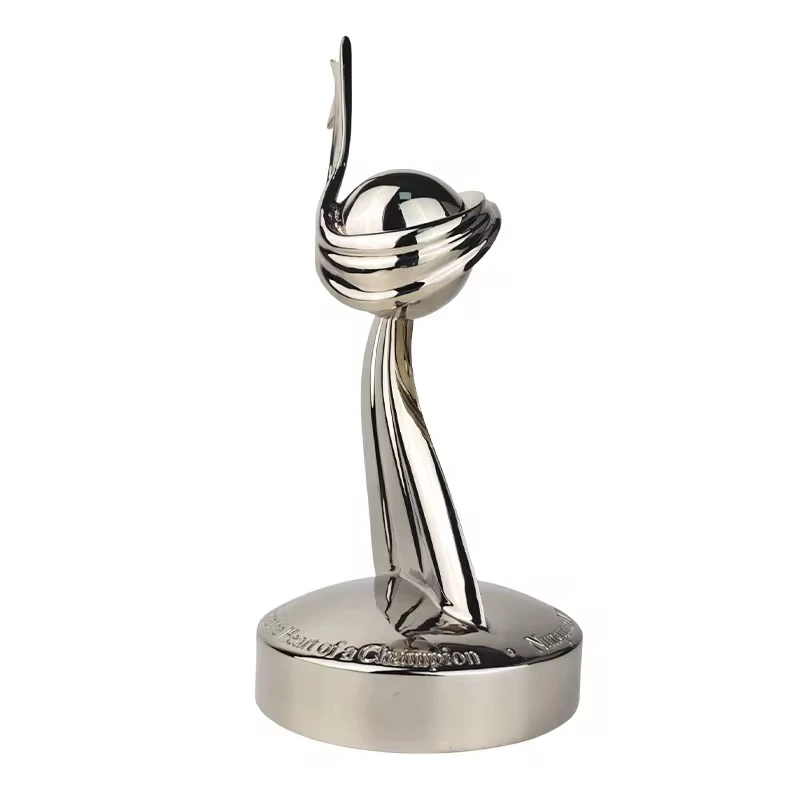
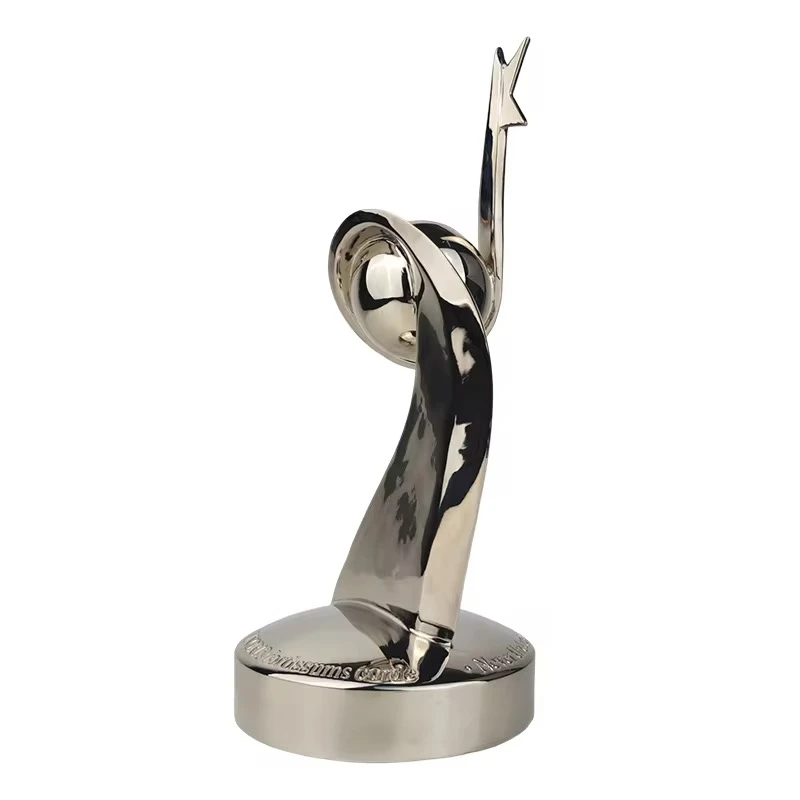
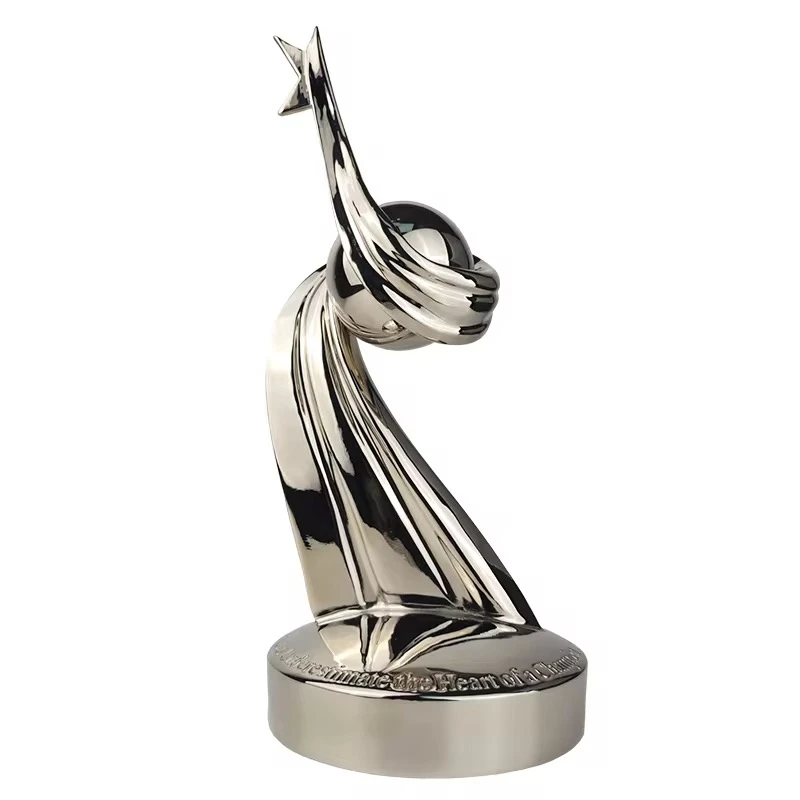
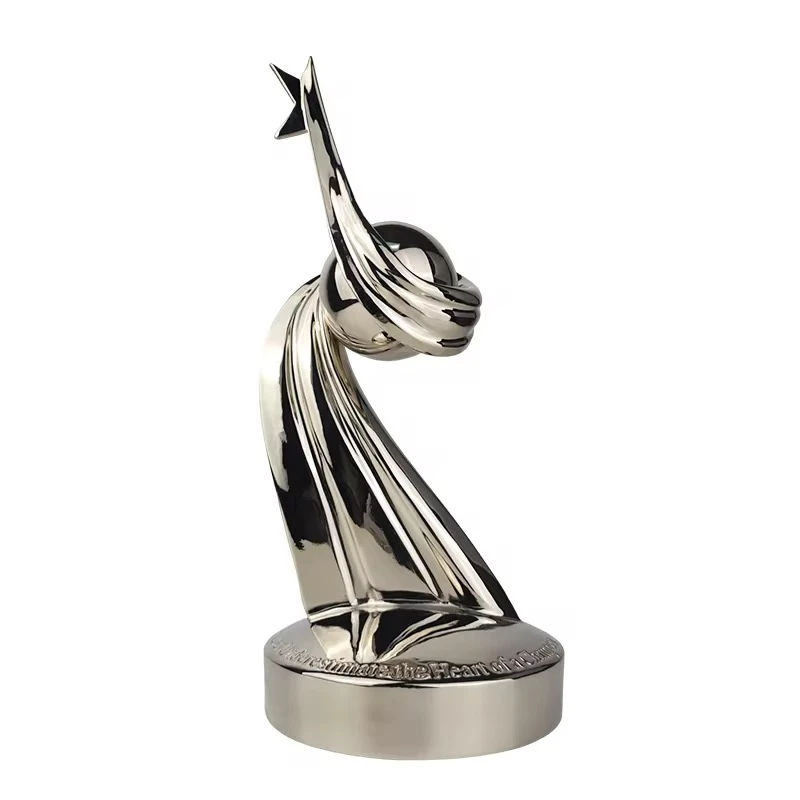
While CNC-machined stainless steel or traditional solid brass offer undeniable quality, their mold and production costs can become restrictive for low-volume customization. This is where advanced metallurgy and precise engineering offer a smarter alternative. By utilizing premium lead-tin alloy (high-grade pewter) die-casting paired with professional surface finishing, brands can achieve an elite, heavy-pinnacle aesthetic efficiently.
Understanding the Materials: Why Pewter and Lead-Tin Alloys Define Premium Awards
When an award recipient holds a trophy, the physical weight and surface texture immediately communicate the value of the honor. Choosing the right material base dictates not only the final aesthetic but also the structural capabilities of the design.
The Metallurgy of Weight and Detail Accuracy
Lead-tin alloy, commonly refined as high-quality pewter, is a dense, adaptable material favored for its exceptional fluidity in its molten state. Unlike lighter metals or plastics, it provides a substantial, authoritative physical weight that mimics the hand-feel of solid gold or platinum. Because the alloy fills complex molds perfectly before cooling, it is the ideal medium for awards featuring fine sculptural details, intricate textures, and crisp geometry.
Overcoming the Low-Volume Production Cost Barrier
Traditional die-casting methods for harder metals require highly expensive, high-durability steel molds that only become cost-effective when producing thousands of units. For small-batch customization—such as a 5-unit executive tier or a 50-unit milestone celebration—lead-tin alloy casting operates within a much more flexible molding framework. This allows international clients to minimize initial tooling costs while maintaining a flawless, high-end production standard.
The Engineering Process: From Precision Die-Casting to Mirror Nickel Plating
To turn a raw alloy casting into a masterpiece worthy of a global summit, the manufacturing process must follow strict quality control protocols across casting and electroplating phases.
Precision Die-Casting for Flawless Geometry
The manufacturing cycle begins with state-of-the-art die-casting machinery. The molten alloy is injected into custom-engineered molds under precise pressure settings to eliminate internal air pockets or surface porosity. This structural integrity ensures that every angle, curve, and logo engraving is perfectly rendered with razor-sharp precision, removing the need for heavy, destructive post-processing.
Advanced Surface Electroplating: Achieving the Mirror-Nickel Finish
The defining transformation happens in the finishing stage. The raw casting undergoes rigorous mechanical polishing to prepare the substrate, followed by an advanced nickel-plating process. The nickel layer serves dual purposes:
Brilliant Aesthetic Appeal: It delivers a sleek, deep, mirror-like metallic luster that reflects light beautifully across the trophy’s facets.
Long-Term Durability: Nickel provides a highly stable barrier against oxidation, tarnishing, and surface scratches, ensuring the award retains its pristine showroom shine for decades.
How Sourcing Professionals Can Optimize Custom Award Procurement
Navigating the logistics, design iterations, and lead times of custom manufacturing requires a reliable manufacturing partner who understands both technical constraints and commercial goals.
Balancing Small-Batch Flexibility with Luxury Standards
For modern enterprises, rigid minimum order quantities (MOQs) are a major bottleneck. The ideal procurement strategy relies on a factory that offers one-on-one design consultations, agile prototyping, and specialized low-volume production tracks. By utilizing lead-tin alloy die-casting, organizations can control upfront tooling costs while ensuring that even a small batch of 10 or 20 trophies looks indistinguishable from a million-dollar mass production run.
Partner with MC ART AWARDS for World-Class Custom Manufacturing
When prestige, craftsmanship, and budget optimization must align perfectly, you need more than a vendor—you need a manufacturing partner. At MC ART AWARDS, we operate a state-of-the-art production facility equipped with advanced die-casting machinery, CNC carving tools, and professional plating lines.
Whether you need a high-end nickel-plated pewter masterpiece or an urgent small-batch custom order delivered via global logistics, our team of dedicated engineers and 3D designers handles everything from blueprint to final quality check.
Ready to elevate your corporate recognition? Contact MC ART AWARDS today to receive a tailored technical consultation and free quote for your next custom project.
For small-batch or limited-edition custom trophies, high-grade pewter or lead-tin alloy is the ideal material choice. It provides the heavy, substantial hand-feel associated with luxury awards while allowing for significantly lower tooling and mold costs compared to steel or brass. This makes it highly cost-effective for low-volume orders without compromising on premium quality.
Nickel plating offers a deeper, warmer, and more mirror-like brilliant luster compared to the slightly bluish, cold tone of chrome. From a manufacturing standpoint, nickel flows smoothly over intricate die-cast details, providing exceptional corrosion resistance and a classic, prestigious finish that is perfect for executive-level corporate awards.
Yes. MC ART AWARDS and utilizing lead-tin alloy casting, the initial mold fees are vastly reduced compared to high-volume automotive or industrial-grade steel molds. This structural flexibility allows businesses to order highly customized, low-volume trophies while maintaining strict control over their budget.
For custom-engineered metal trophies requiring precision die-casting and electroplating, the standard production timeline is approximately 8 to 12 days for urgent, small-batch orders. This timeline accounts for custom tool pathing, casting stabilization, multi-stage polishing, and surface nickel-plating quality checks.
While acrylic is suitable for entry-level recognition, it lacks the weight, permanence, and perceived value required for prestigious events. Die-cast lead-tin alloy awards offer a heavy physical presence, an enduring metallic shine via nickel plating, and a timeless appeal that signals genuine, high-tier corporate investment in honoring success.