


Bridging the Gap: How to Turn AI-Generated Trophy Concepts into Manufactured Reality
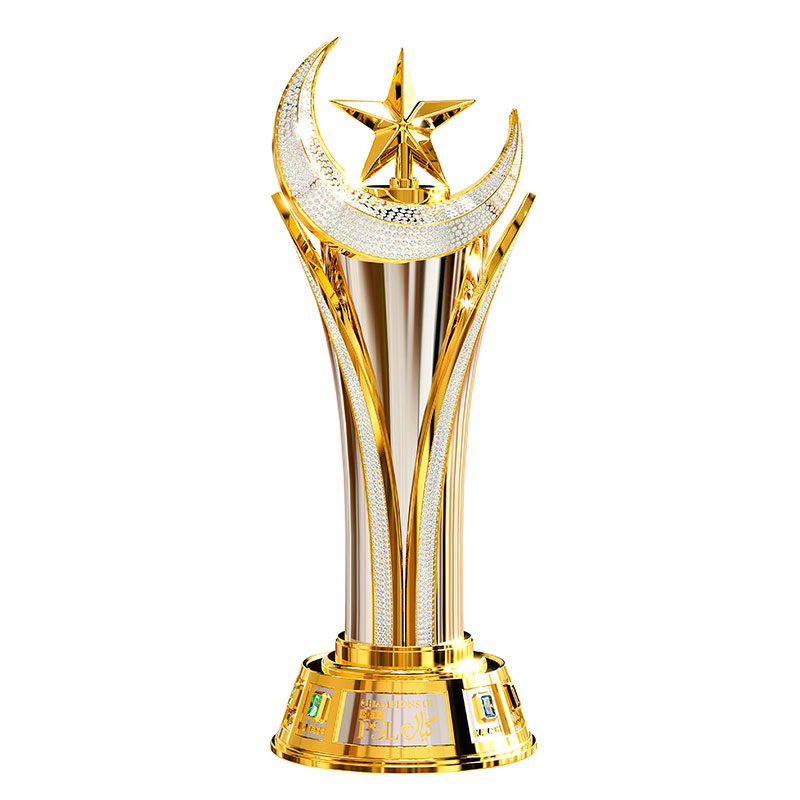
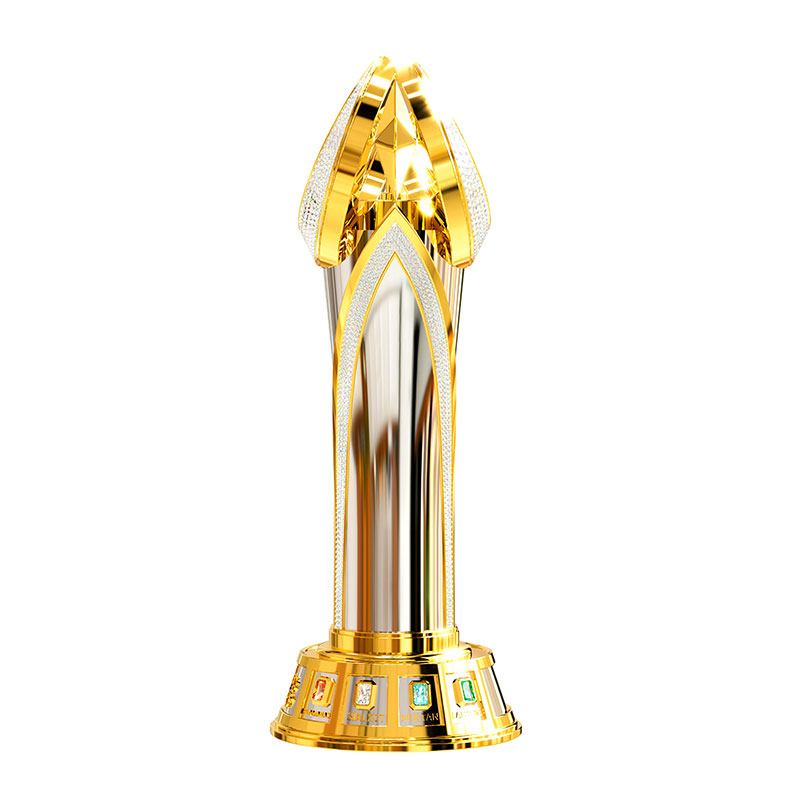
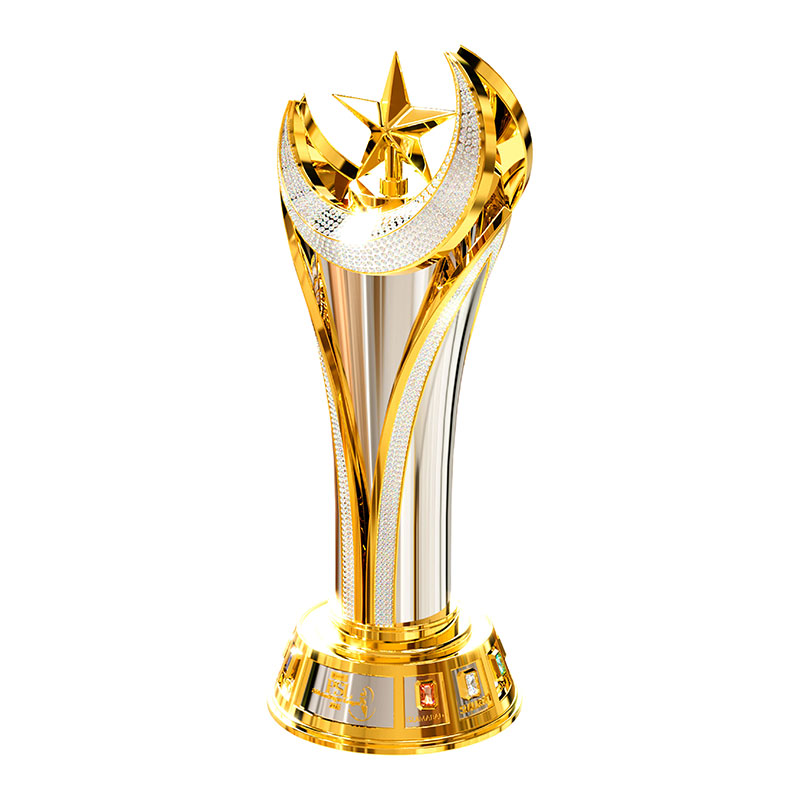
Artificial intelligence has revolutionized product design, enabling sports organizations, brand managers, and award committee directors to create breathtaking 3D trophy concepts in seconds. However, transitioning a synthetic 2D render into a physical, structurally sound trophy presents significant engineering challenges. Converting AI artwork into a finished metal masterpiece requires precise structural analysis, professional CAD re-engineering, and advanced multi-material manufacturing capabilities.
The 4-Step Engineering Process: From AI Rendering to Physical Trophy Production
Transforming an AI concept into a prestigious champion trophy involves rigorous engineering and craft skill. Here is how modern B2B award manufacturers bridge the gap between digital ideation and physical assembly.
Step 1: Feasibility Assessment and Material Selection
AI image generators often design complex visual features—such as floating elements, hyper-detailed pavé stone patterns, or seamless dual-metal transitions—without considering weight distribution or gravity.
Component Deconstruction: Engineers analyze the AI image to break down the object into individual, manufacturable components (e.g., base, column, emblem, top ornament).
Material Selection: Selecting appropriate materials such as zinc alloy or lead-tin alloy for die-casting, high-grade K9 crystal, or CNC-machined aluminum to ensure structural integrity and long-term durability.
Step 2: 3D CAD Modeling and Digital Engineering
A 2D AI render lacks volumetric dimensions and structural tolerances. Specialized 3D modeling bridges this gap.
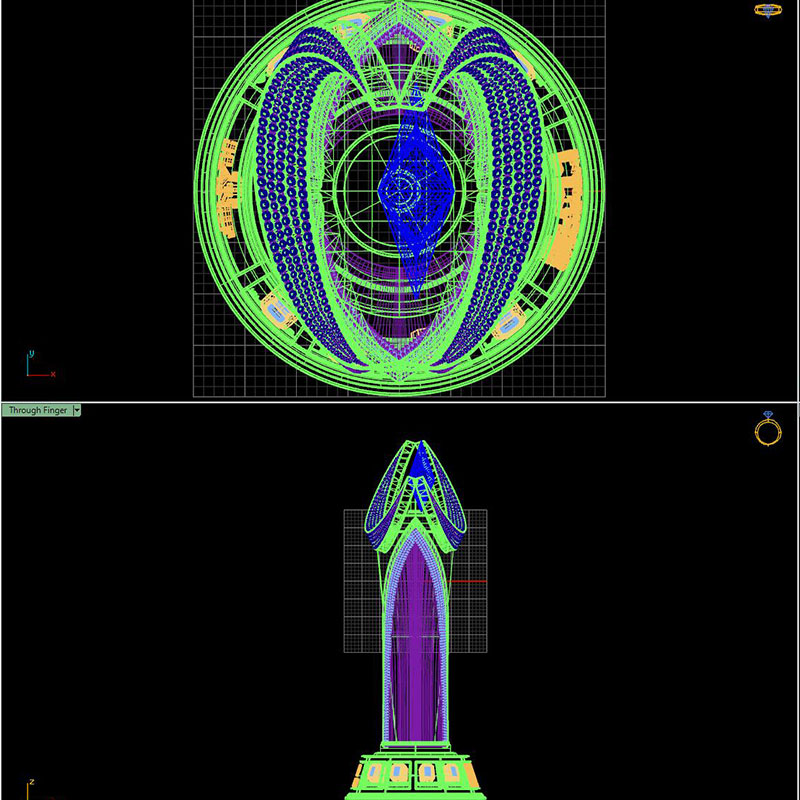
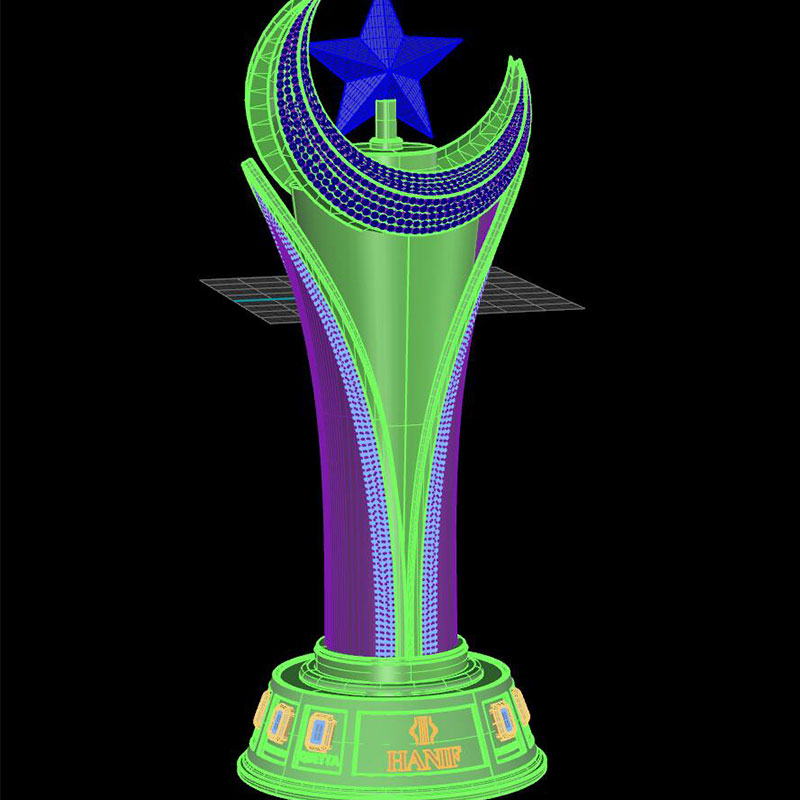
CAD Re-construction: Designers recreate the exact contours, curvature, and surface details using industrial 3D software (such as Rhino, Matrix Gold, or SolidWorks).
Assembly Planning: Internal fastening methods—such as threaded rods, internal screw anchors, or custom-machined joining plates—are integrated into the digital wireframe to guarantee stability without compromising visual aesthetics.
Step 3: Tooling, Die-Casting, and CNC Machining
Once the 3D model is approved, high-precision manufacturing begins:
Custom Tooling: CNC machinery carves high-precision steel molds based on the 3D CAD files.
Die-Casting & Machining: Molten metal alloy is injected into the molds or block materials are CNC-milled to create high-density components capable of holding fine geometric detail.
Step 4: Surface Finishing, Gemstone Setting, and Final Assembly
The aesthetic quality of a championship award depends on surface treatment and artisan hand-finishing.
Multi-Layer Electroplating: Components undergo surface polishing followed by heavy gold and silver electroplating for a lustrous, mirror-like finish.
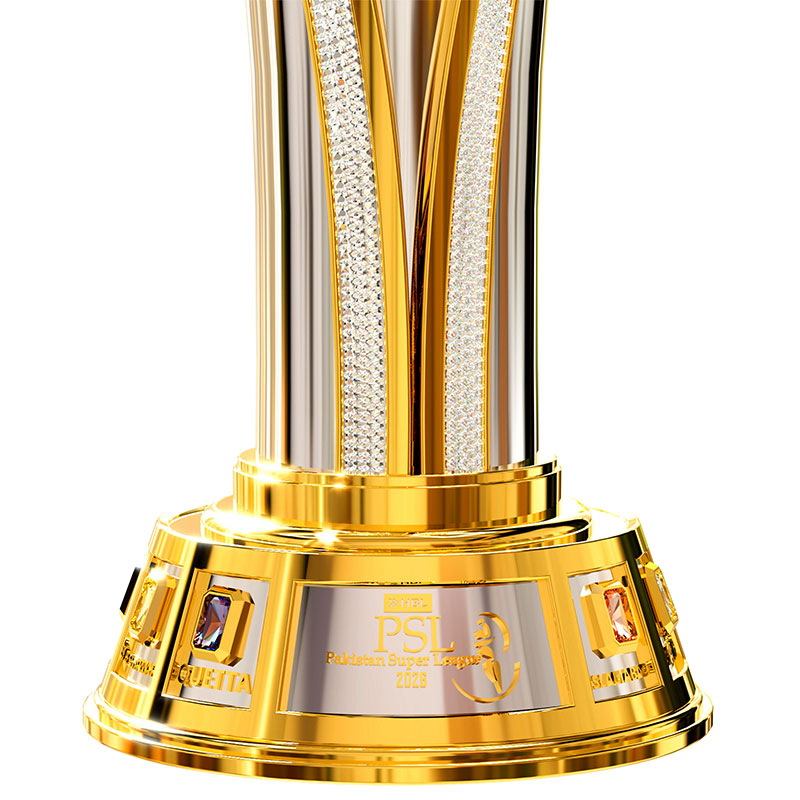
Decorative Accents: Setting custom crystals or synthetic gemstones into pre-machined bezels according to the original design layout.
Precision Engraving & Packaging: Precision laser or UV printing for tournament logos, team names, or city inscriptions, followed by custom pearl-cotton protective packaging for safe international delivery.
Key Technical Challenges in Manufacturing AI-Designed Trophies
1. Wall Thickness and Structural Integrity
AI images often feature ultra-thin support pillars that cannot support top-heavy metal ornaments. Engineers must recalibrate internal wall thickness and load-bearing columns while maintaining the original visual proportions.
2. Dual-Tone Plating and Material Separation
Achieving sharp color separation (such as contrasting high-shine gold and silver) requires casting components as separate units, electroplating each piece independently, and assembling them via concealed mechanical fasteners.
3. Gemstone and Pavé Setting Accuracy
Generating fine gem patterns via AI requires translating random visual noise into precise, uniform stone seats within the 3D file to allow manual setting or automated stone placement.
Partner with MC ART AWARDS for Custom AI-to-Production Trophy Manufacturing
Turn your vision into reality with MC ART AWARDS. As a custom award manufacturer with over two decades of international trade and manufacturing experience, MC ART AWARDS specializes in taking AI-generated renders, client sketches, and complex CAD designs and turning them into physical championship trophies.
Whether you need custom sports trophies, institutional commemorative awards, or high-end metal and crystal centerpieces, our internal engineering team handles every step—from feasibility review and 3D modeling to die-casting, electroplating, and worldwide shipment.
Ready to bring your AI trophy design to life? Contact the engineering team at MC ART AWARDS today to receive a technical feasibility analysis and custom quote for your project.
Yes. A professional manufacturer cannot cast directly from a 2D image, but an experienced custom factory like MC ART AWARDS can use an AI render as a visual blueprint. Engineers analyze the image, convert it into a fully dimensional 3D CAD model with proper structural tolerances, and then manufacture the physical trophy using precision die-casting, CNC machining, and electroplating.
The complete process typically requires 8 to 12 days for rapid engineering validation, 3D modeling, and sample production. Bulk manufacturing timelines vary depending on component complexity and surface finishing requirements, as the initial engineering setup and mold development require meticulous process validation to ensure quality.
Experienced award engineers conduct a technical feasibility review to identify structural risks. Floating or physically unsupported elements in AI concepts are resolved by introducing high-transparency optical K9 crystal supports, internal high-strength screw assemblies, or concealed load-bearing metal frameworks without altering the original design aesthetic.
High-end sports trophies often utilize a combination of die-cast zinc alloy or lead-tin alloy for complex sculptural details, CNC-machined aluminum for structural pillars, and solid brass or optical K9 crystal for bases. Surface finishes typically include multi-layer gold and silver electroplating, combined with hand-set crystals or UV-printed logos.
To get an accurate manufacturing quote, provide the AI-generated reference image, desired overall height and approximate weight, intended quantity, destination country, and any specific preferences for materials or surface finishes (e.g., gold plating, crystal accents, or custom logo engraving). MC ART AWARDS provides complete feasibility reviews and technical recommendations based on these parameters.